
The Foundation of the Work
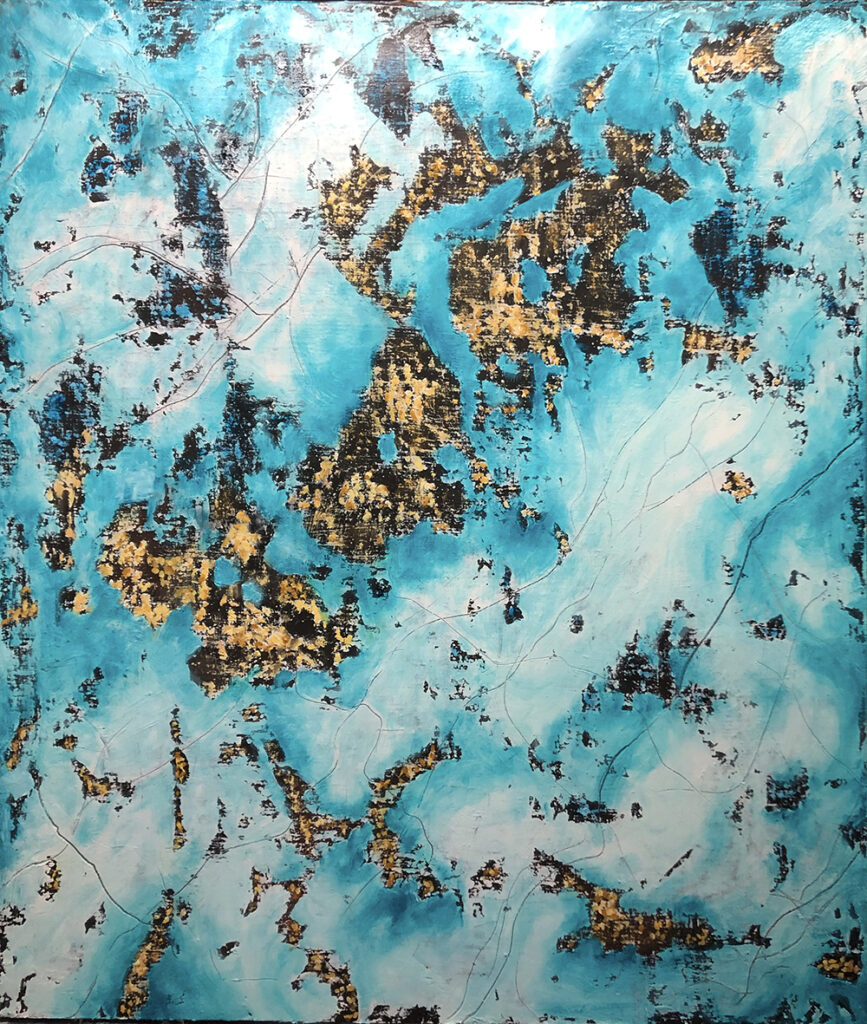
The work doesn’t start with the first brushstroke—it starts with the materials. The surface, the structure, and the paint all play a role in how a painting develops and how it holds up over time.
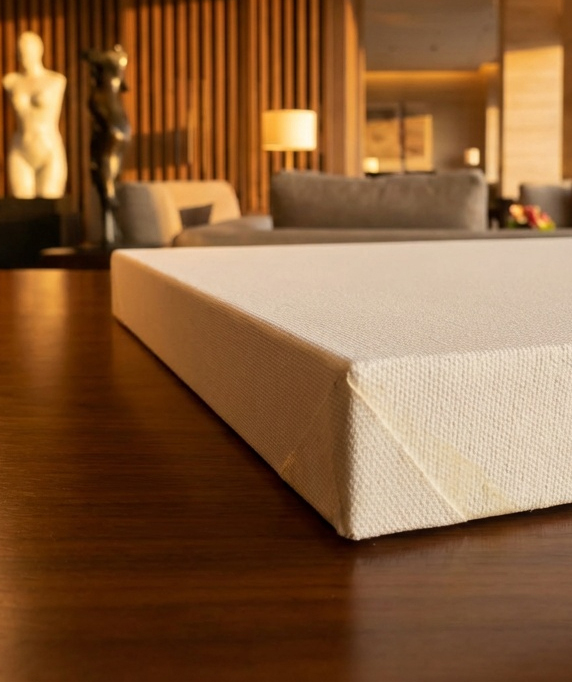
The panel isn’t just something to paint on. It shapes how the paint moves, how light sits on the surface, and how the image ultimately feels. I build my panels with stability in mind, using materials that stay true and don’t shift or warp as the work ages.
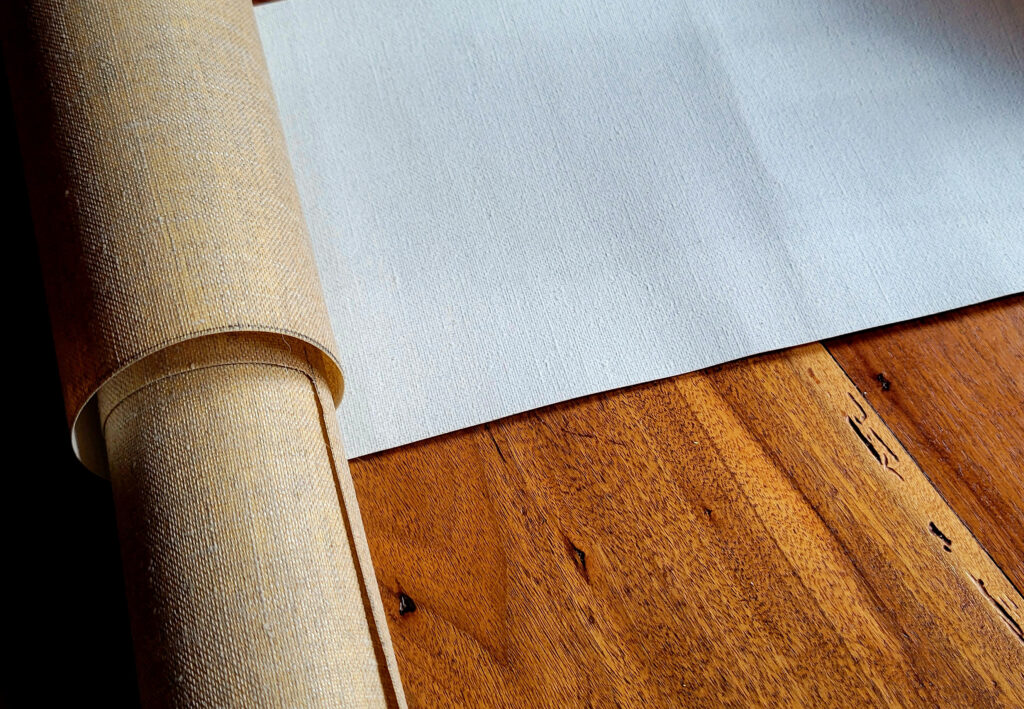
From there, the surface is finished with linen or canvas chosen for its texture and responsiveness. A good surface doesn’t fight the process—it supports it. It allows layers to build cleanly, color to retain its depth, and detail to stay intact.
All of these choices are made so the painting can do what it’s supposed to do, both now and years from now.
Art Panels
The surfaces I paint on are something I’ve developed over time in my own studio. I build each panel myself, drawing from a background in woodworking and a long process of refining what actually holds up—both structurally and visually. I also make custom panels for other artists as Sierra Art Panels
Depending on the piece, I use a range of materials, including hardwoods and, when it makes sense, modern composites like carbon fiber or fiberglass. The goal is always the same: a surface that stays stable, remains true over time, and supports the painting without distraction.
Some panels are deeper and more structural, others are slim and direct, but all of them are made to be lightweight, durable, and resistant to warping.
I also make panels available to other artists as Sierra Art Panels. Learn more about Panels at sierraartpanels.com.
Canvas & Priming
work on both oil-primed linen and acrylic-primed canvas, depending on the needs of the painting. Each surface has a different feel—linen offers a tighter, more refined texture, while acrylic-primed canvas has a bit more grab and immediacy.
I look for a balance of tooth, absorption, and responsiveness so the paint sits well and holds detail without becoming overly slick or resistant. The goal is a surface that feels consistent and predictable, allowing the painting to develop without fighting the material.
Whether the surface is more refined or more textured, it’s always chosen to support the way I work and to hold up over time.
Paints & Pigments
I work with artist-grade oil paints from manufacturers like Old Holland, along with occasional custom mixes made from pure pigments. I’m looking for color that has depth and clarity—something that can be built up in layers without losing its intensity.
These paints have a higher pigment load than standard materials, which allows for stronger color, better transparency, and more control in how each passage develops. Just as important, they’re made to last, so the work holds up over time without fading or shifting.
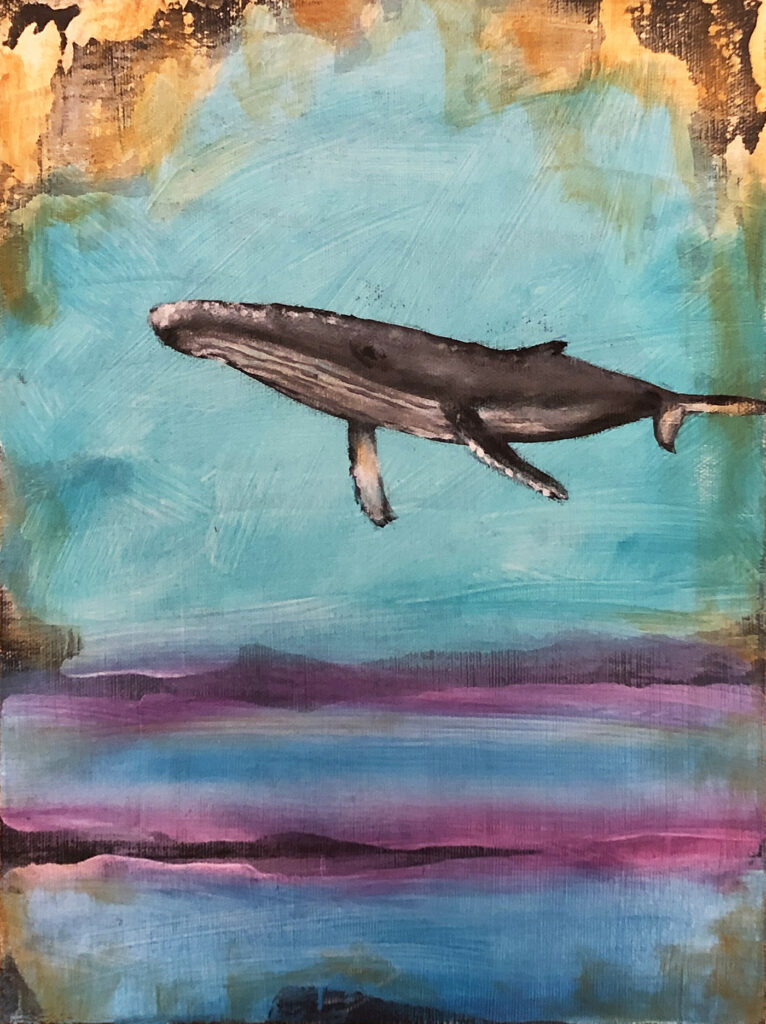
Each painting is finished with a removable, artist-grade varnish that brings the surface together and protects it. It deepens the color slightly and allows the painting to be cleaned safely, so it can be maintained and lived with over the long term.
Collector Benefits
By choosing artwork created created by Tom Applegate, collectors can enjoy:Confidence in longevity: Panels and materials built to endure decades of display
- Confidence in longevity: Panels and materials built to endure decades of display
- Vibrant, archival-quality colors that retain clarity and depth
- A complete, artist-driven creation process ensuring every detail meets the highest standards
- Ease of maintenance: Varnished surfaces that can be cleaned safely
- Investment assurance: Art designed to remain beautiful, preserving value for the future